Jigoro Kano, was born in Mikage, Hyogo Preferure, Japan, on October 28, 1860. From an established family, he was fortunate to be able to study in private schools in Tokyo, where he was also taught English and German. He attended the Tokyo school of Foreign Languages, and graduated from Tokyo Imperial University, majoring in literature and political economy; and became a lecturer and professor. It was during his collegiate years he was truly introduced to jujutsu. Kano studied both the Tenjin Shinyo-ryu and Kito-ryu styles of classical Jujutsu, eventually mastering these teachings all the while training with an avid interest in other combative forms as well.
Later in life, Kato went on to write: ” In my youth I studied jujutsu under many eminent masters… This led me to search for an underlying principle in jujutsu… After thorough study of the subject. I discerned an all-pervasive principle: to make the most efficient use of mental and physical energy… The resulting body of techniques, which I named judo to distinguish it from its predecessor [jujutsu], is what is taught at the Kodokan.”
“The words jujutsu and judo are each written with two Chinese characters. Ju in both is the same and means “gentleness” or “given way”… However, jutsu means, “art, practice”, and do means “principle” or “way”… “Jujutsu means “the gentle of art”… “Judo means the ‘way of gentleness’, ” first giving way to ultimately gaining victory.”
In 1909, Kano became the first Japanese member of the International Olympic Committee, being actively involved until his passing from a respiratory infection in May 4, 1938, on the returning voyage from an Olympic Committee meeting in Cairo.
In 1964, Judo became an Olympic sport.
What is Judo?
The word JUDO consists of two Japanese characters, ju, which means “gentle”, and do, which means “the way”. Judo, therefore, literally means the way of gentleness.
A Tremendous and Dynamic Sport
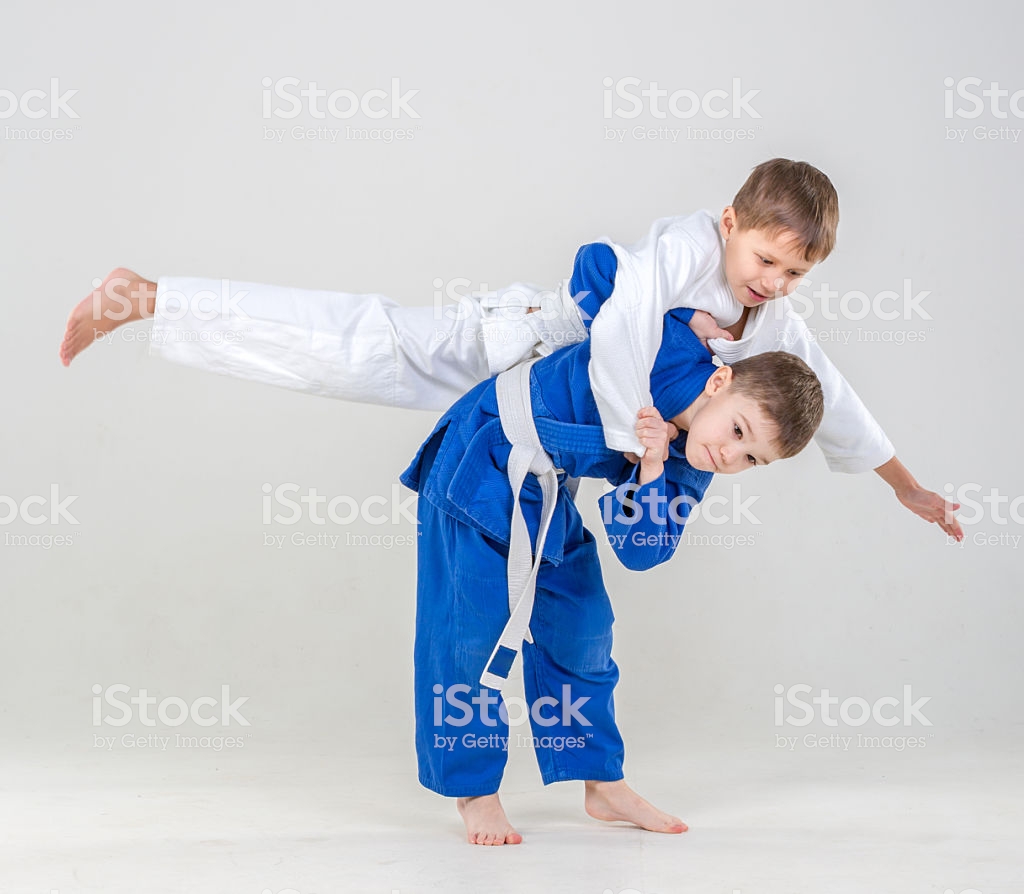
Judo is a tremendous and dynamic combat sport that demands both physical prowess and great mental discipline. From a standing position, it involves techniques that allow you to lift and throw your opponents onto their backs. On the ground, it includes techniques that allow you to pin your opponents down to the ground, control them, and apply various chokeholds or joint locks until submission.